
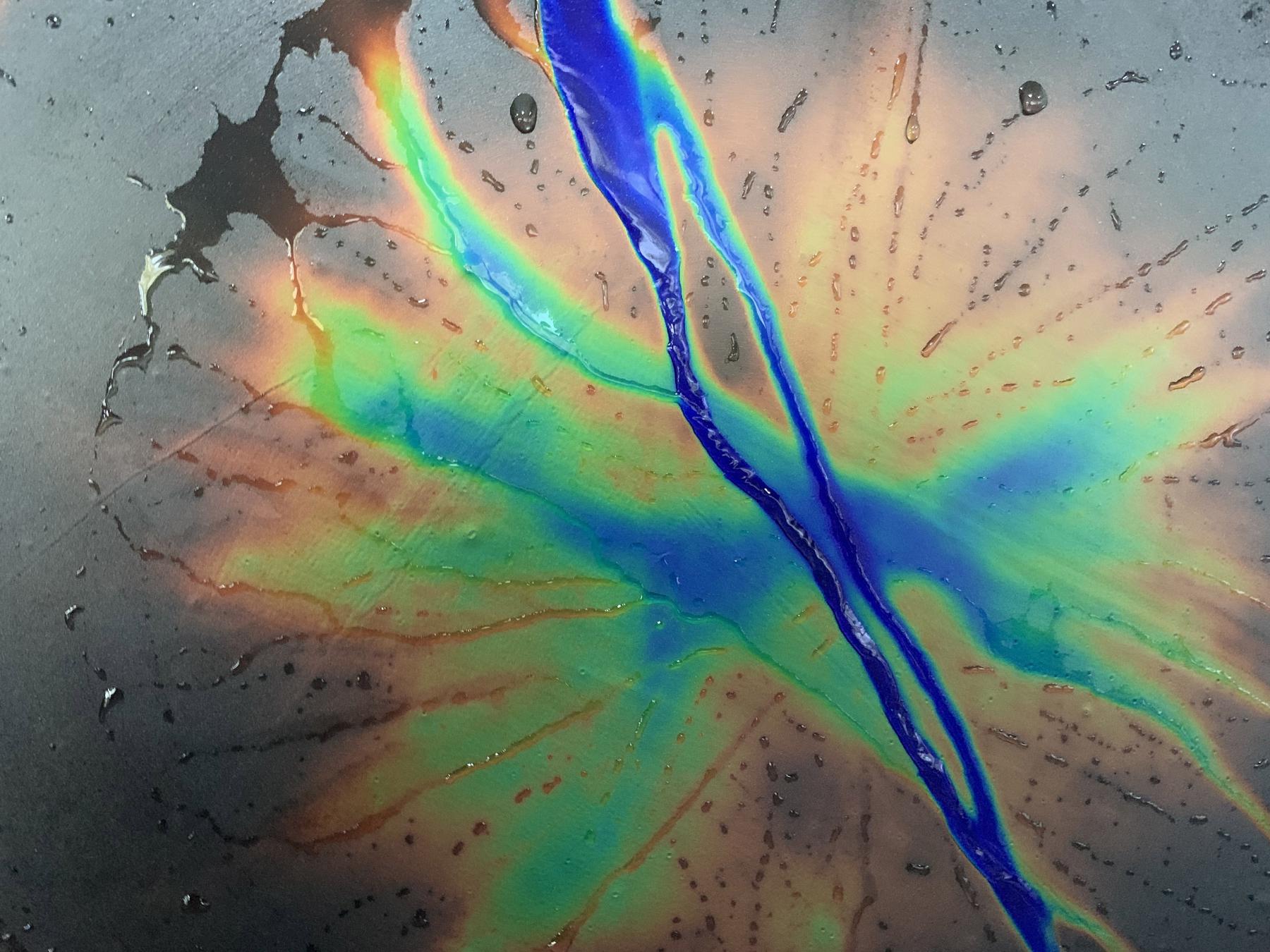
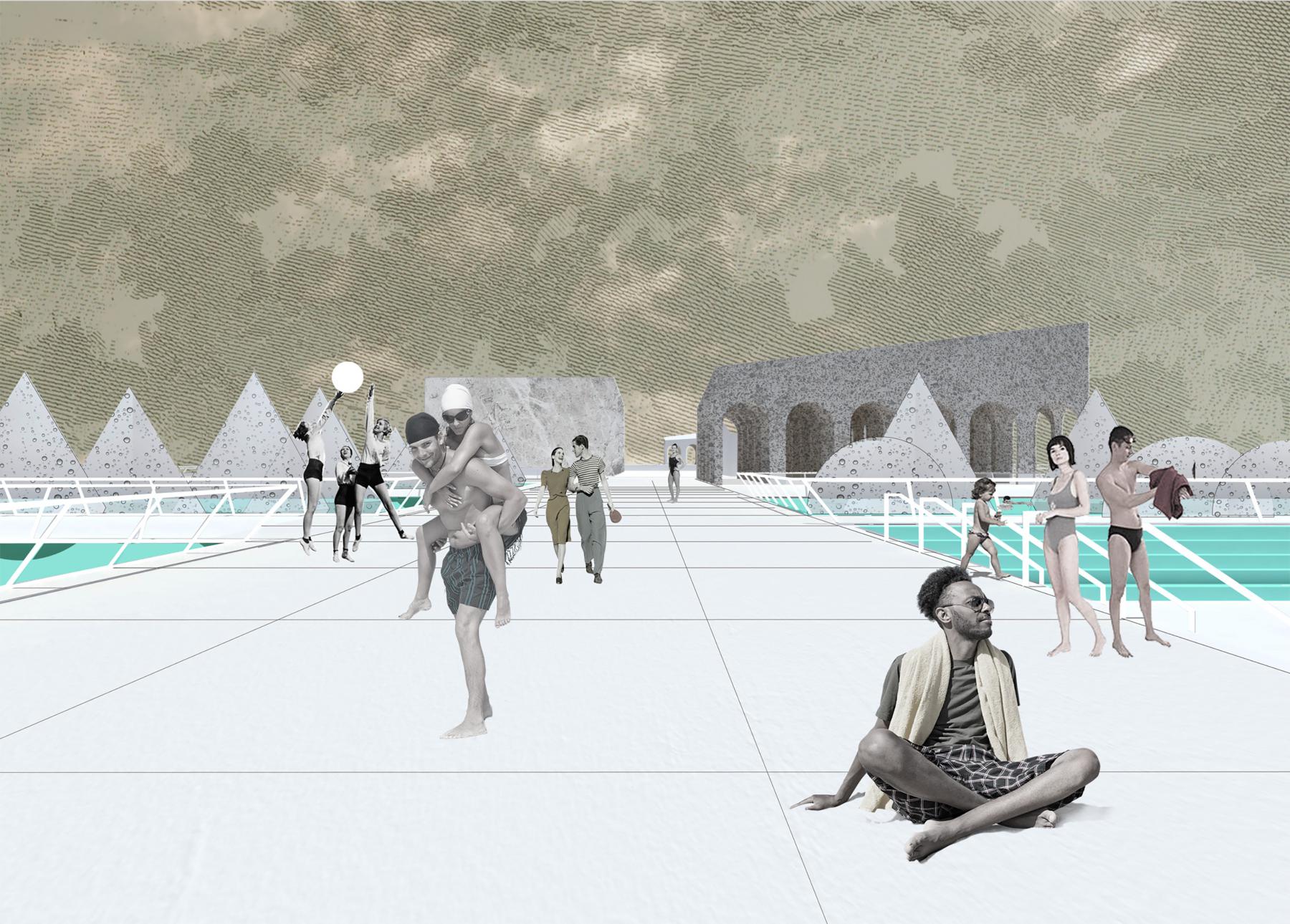
Water scarcity presents new and particularly complex challenges. Without water, much of life on Earth simply cannot exist. The damage caused by water shortages is already visible in nature and everyday life: numerous plant and animal species are disappearing, while biotopes are deteriorating. The food chain is becoming unbalanced, threatening organic life forms and essential resources. The World Economic Forum has identified water scarcity as the greatest threat to global development, and according to the World Resources Institute, 37 countries face instability in their freshwater supplies. Another major risk is rising sea levels, which endanger low-lying areas. Discussions around flooding, pollution, and water scarcity are becoming increasingly prevalent. The severe drought of the summer of 2018 in the Northern Hemisphere is one of the key indicators of a new era that we must now prepare for.
For both humans and nature, water availability can no longer be taken for granted in the face of population growth, rising living standards, and climate change. The water cycle consists of a series of interconnected natural processes occurring in different forms: clouds, plants, trees, groundwater, lakes, and seas all play a role in this cycle, from distribution to consumption. However, human activities—including agriculture, industry, transportation, sanitation, and waste production—disrupt and degrade this cycle.
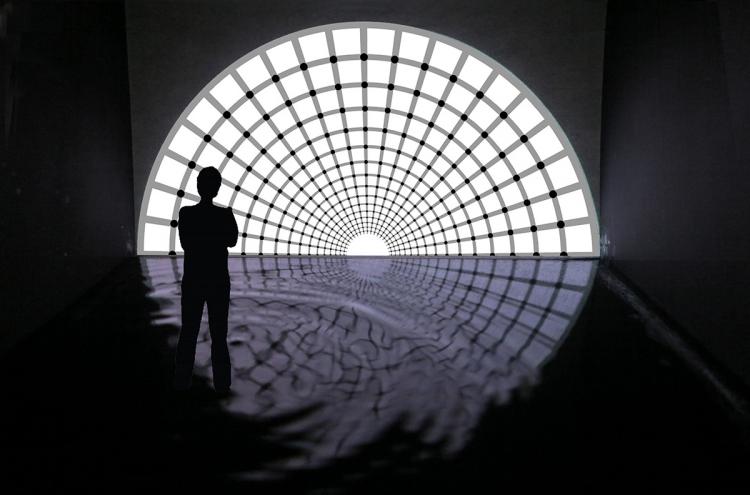
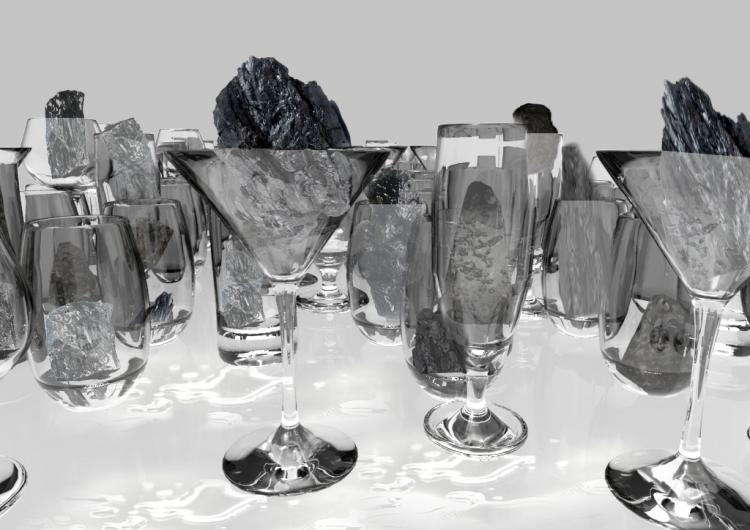
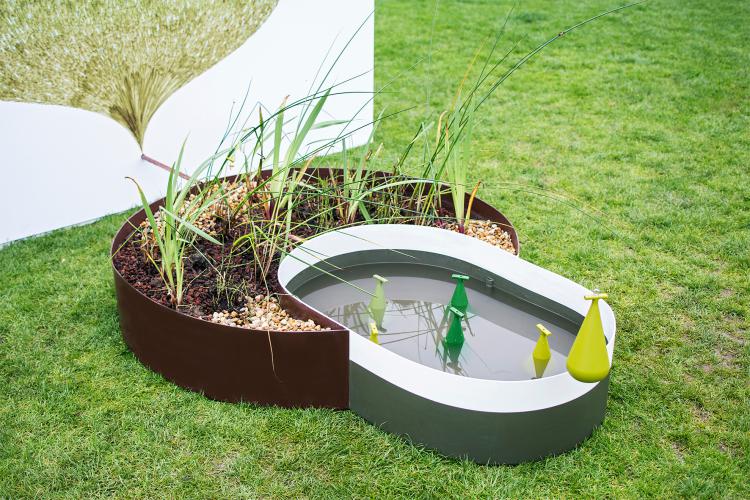
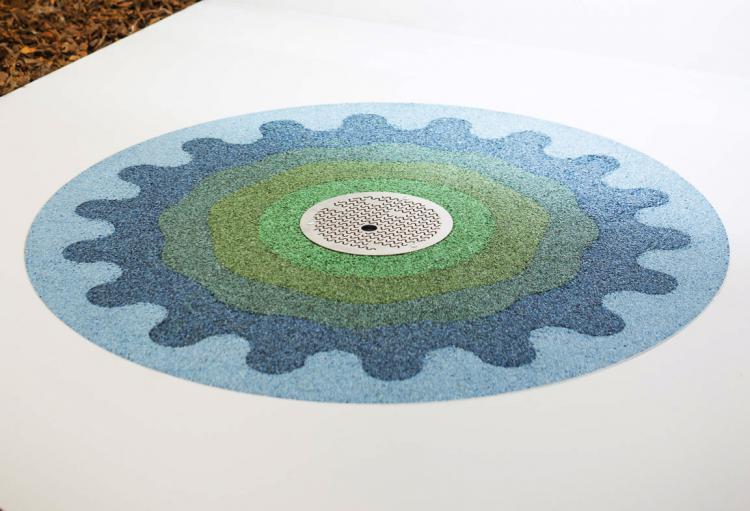
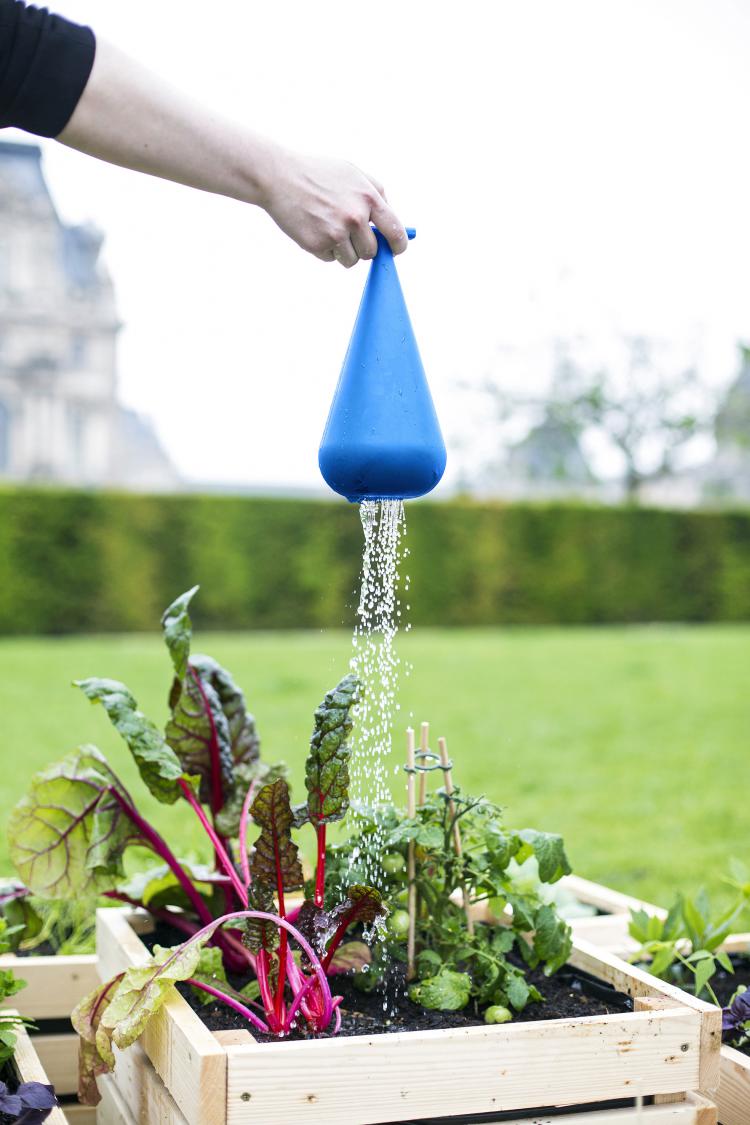
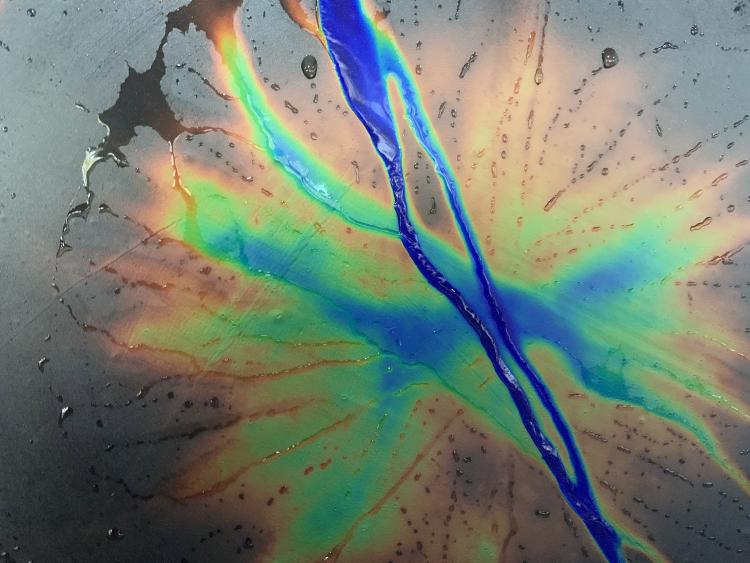
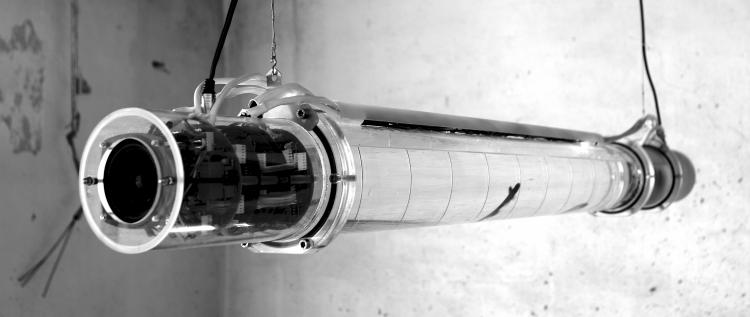
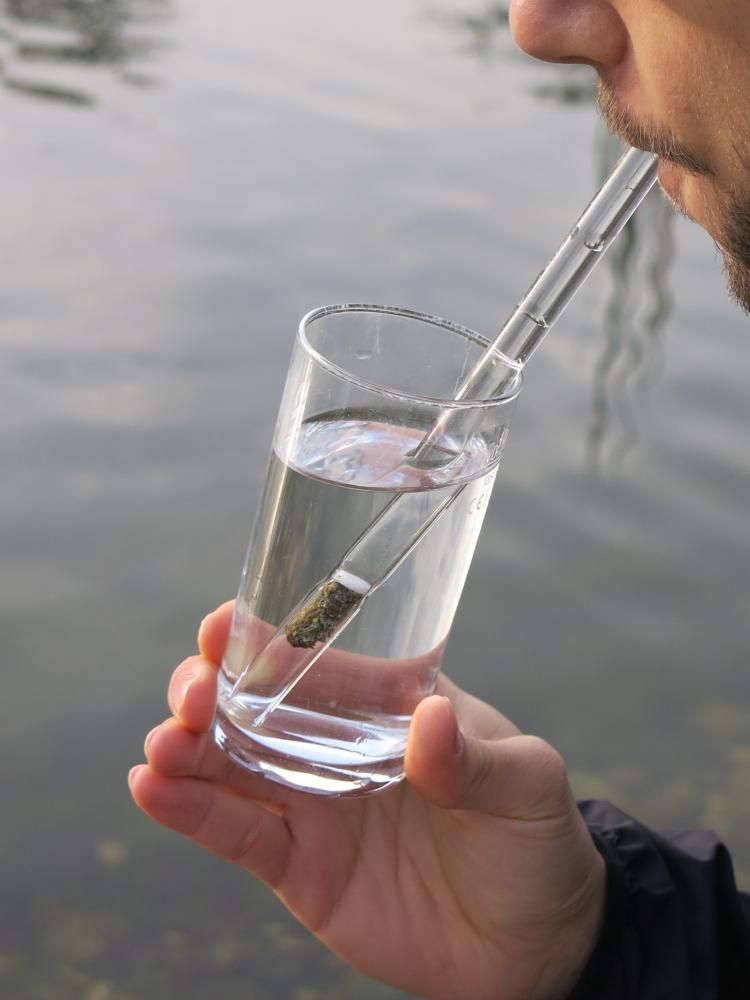
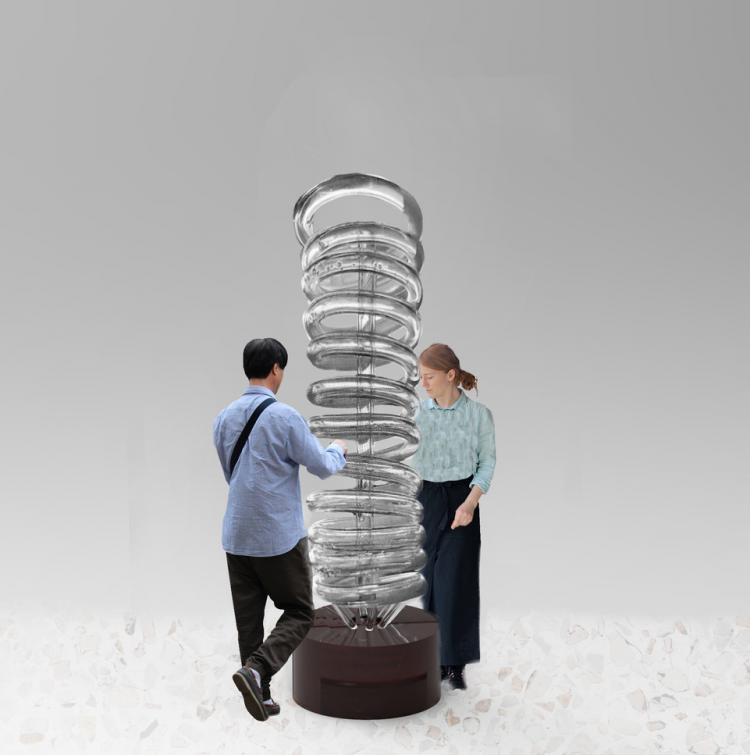
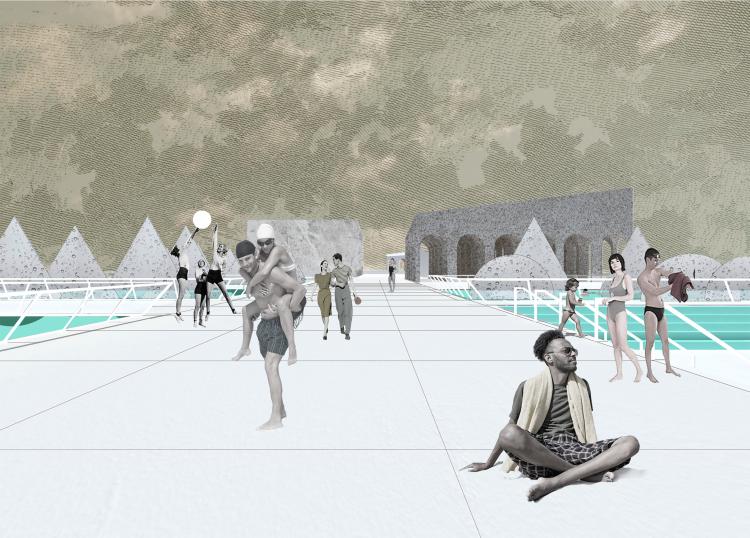
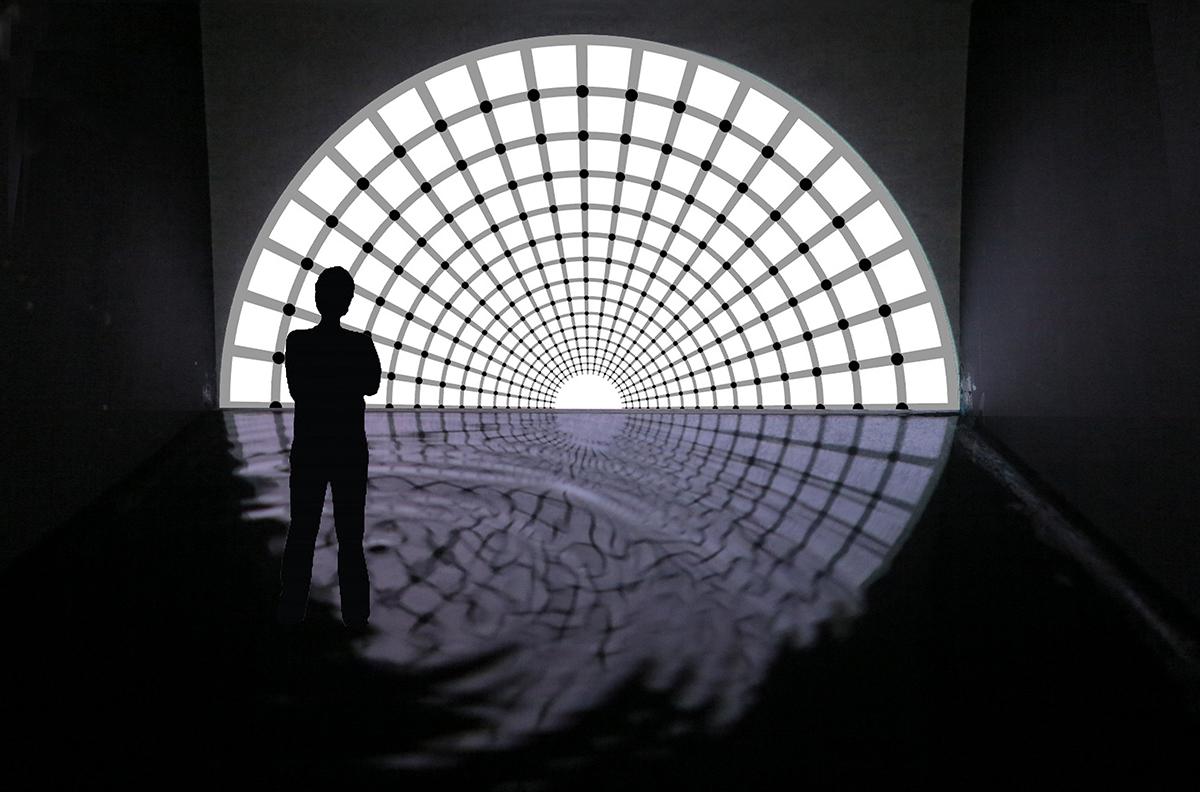
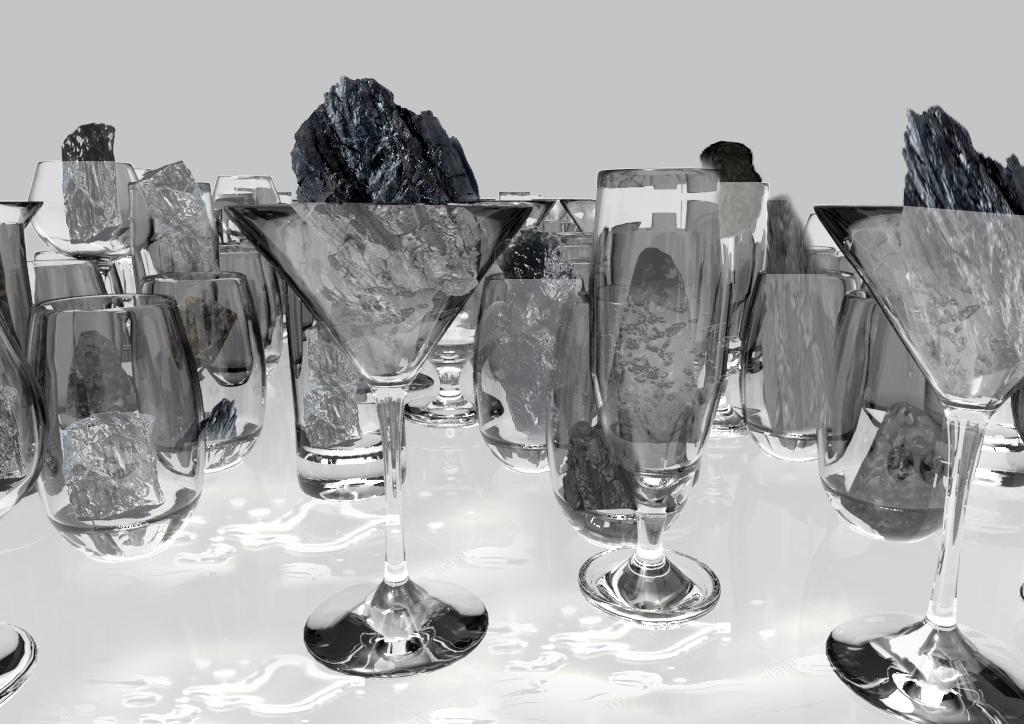
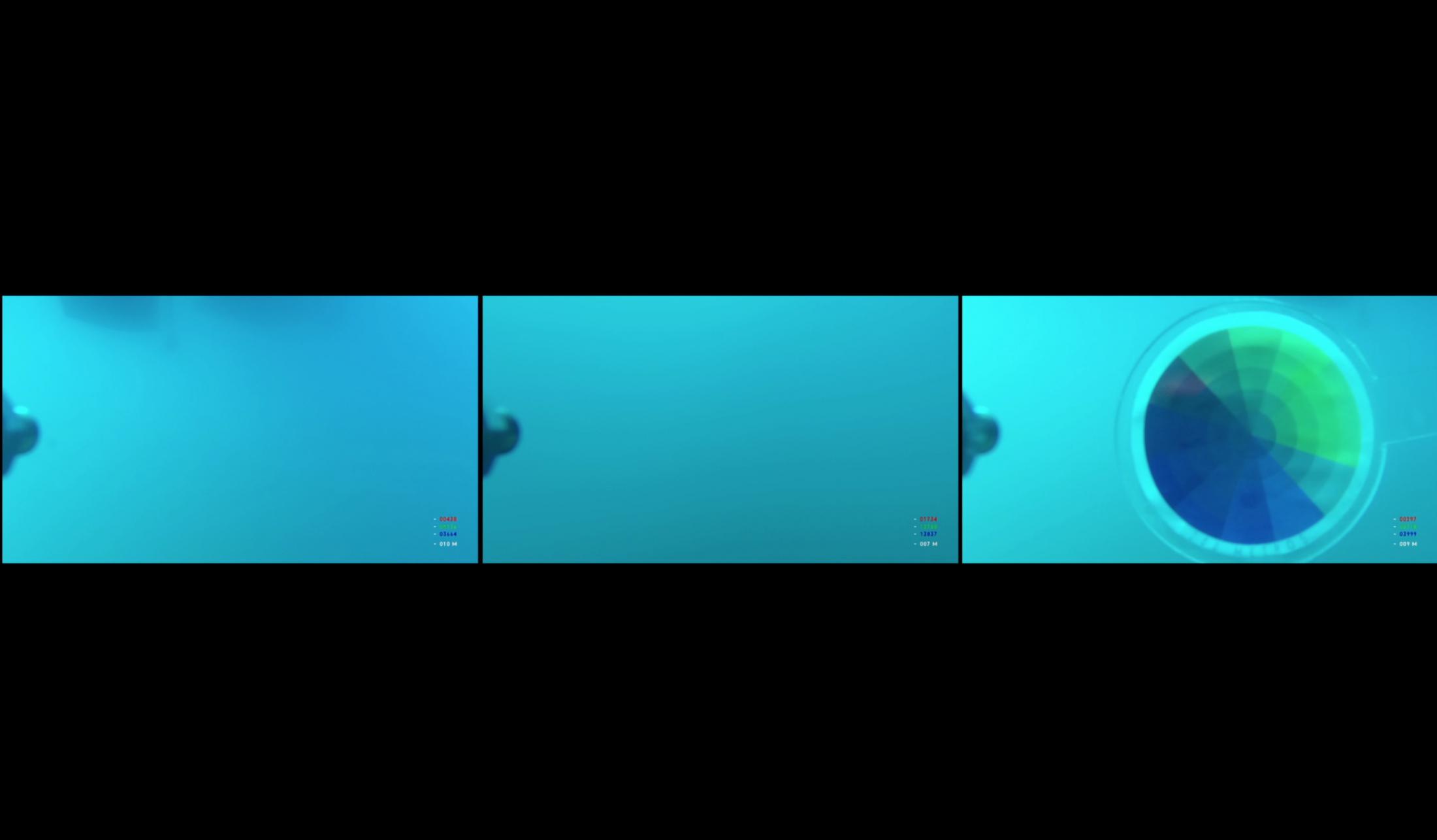
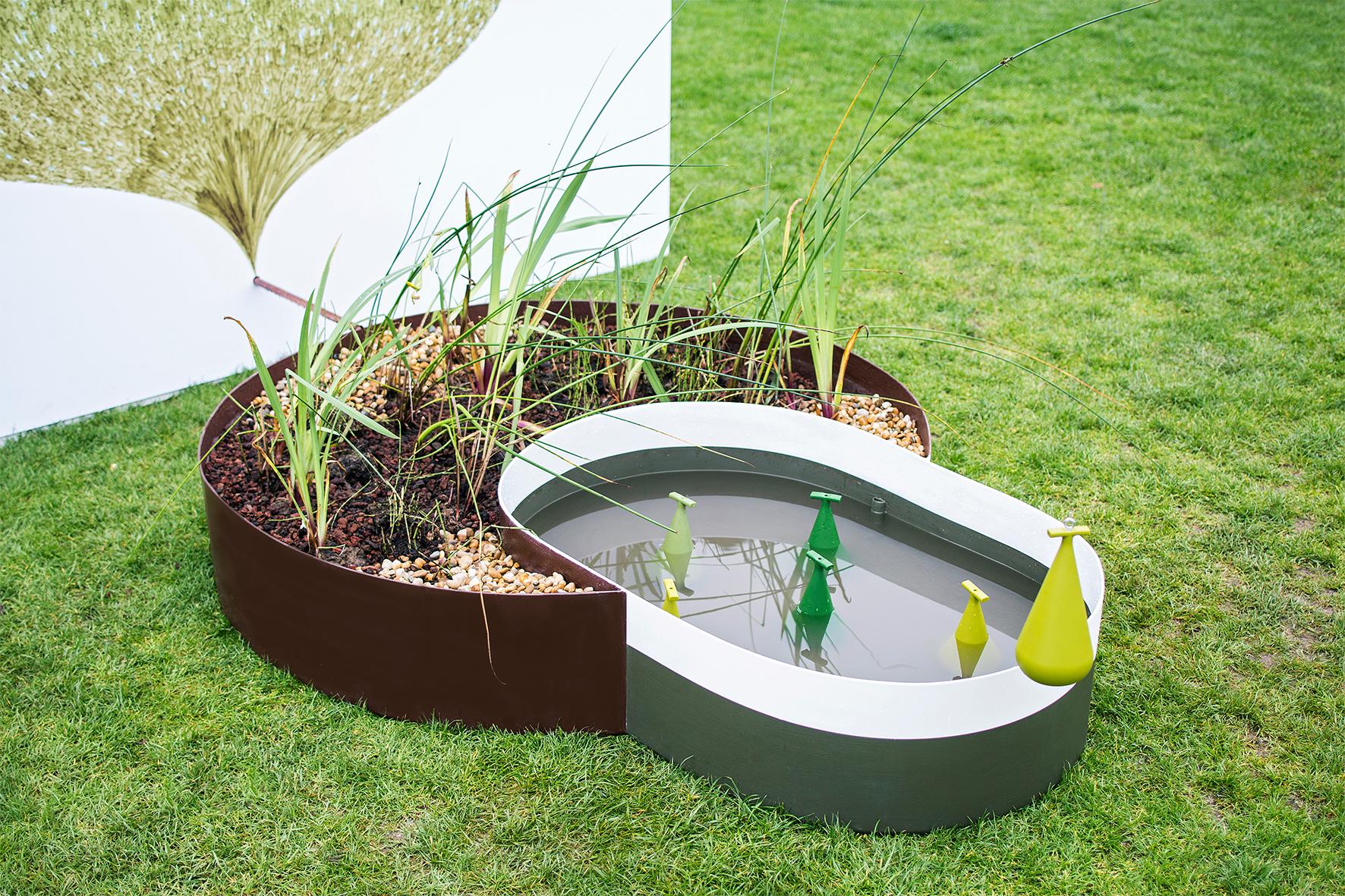
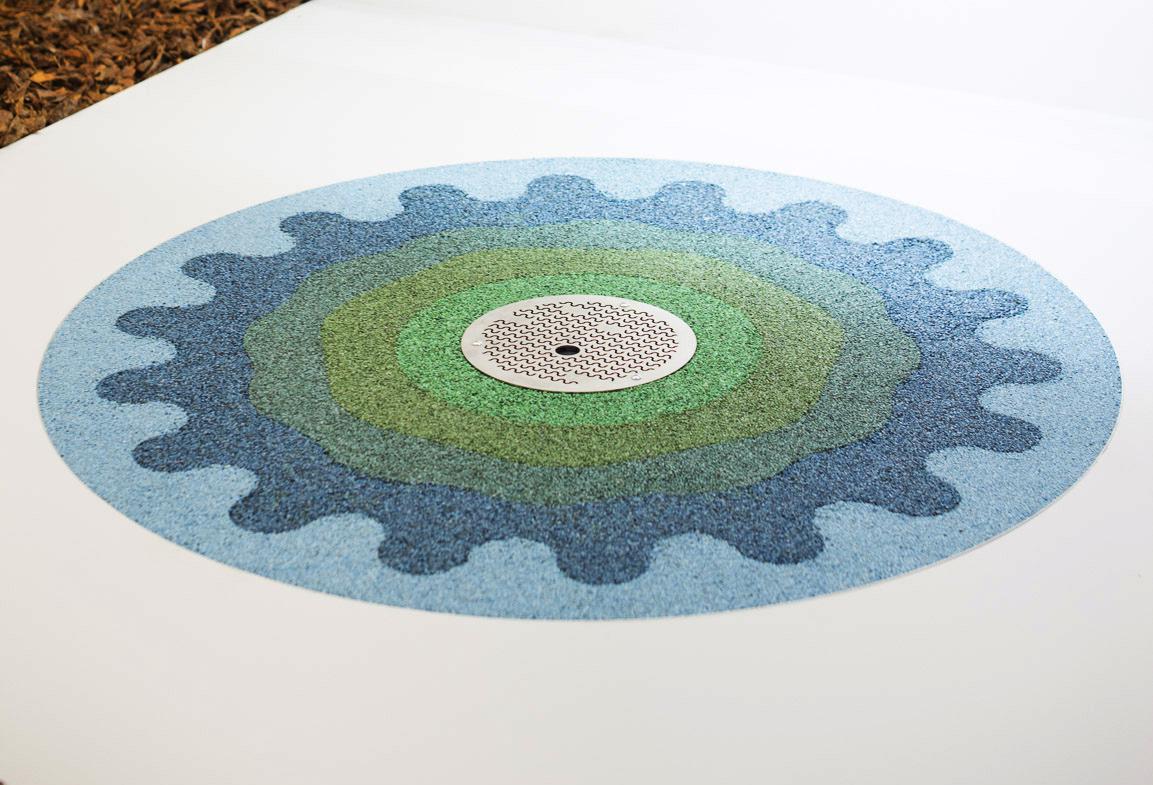
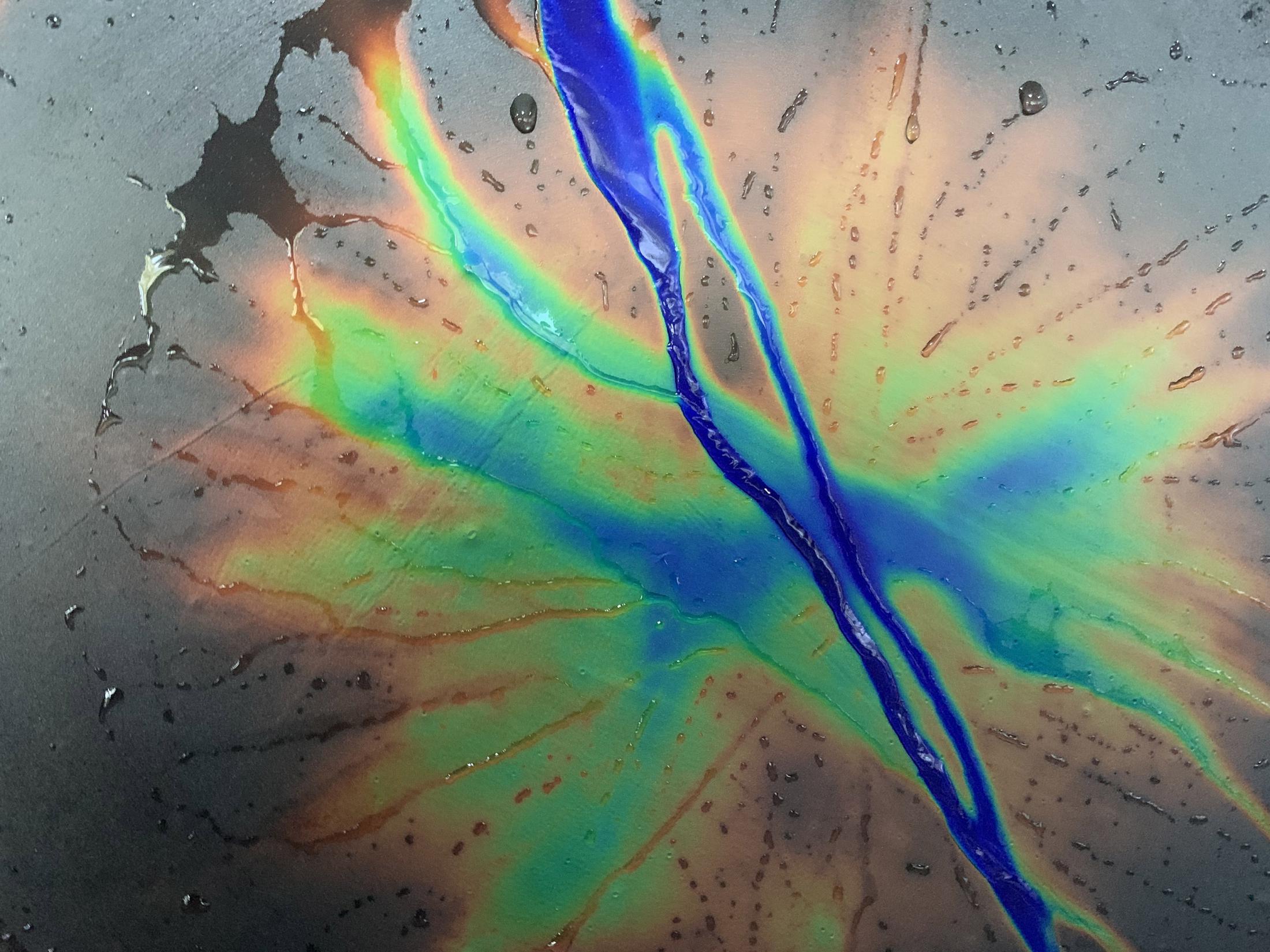
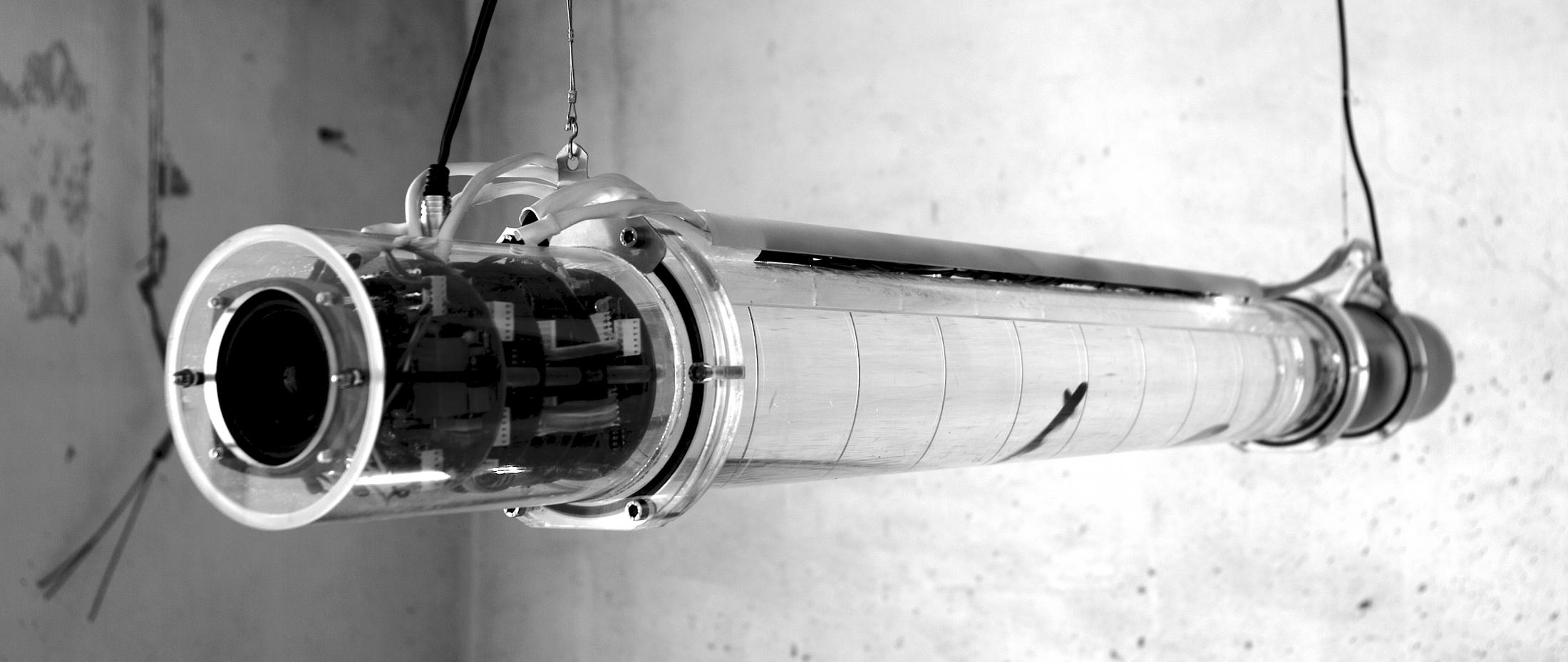
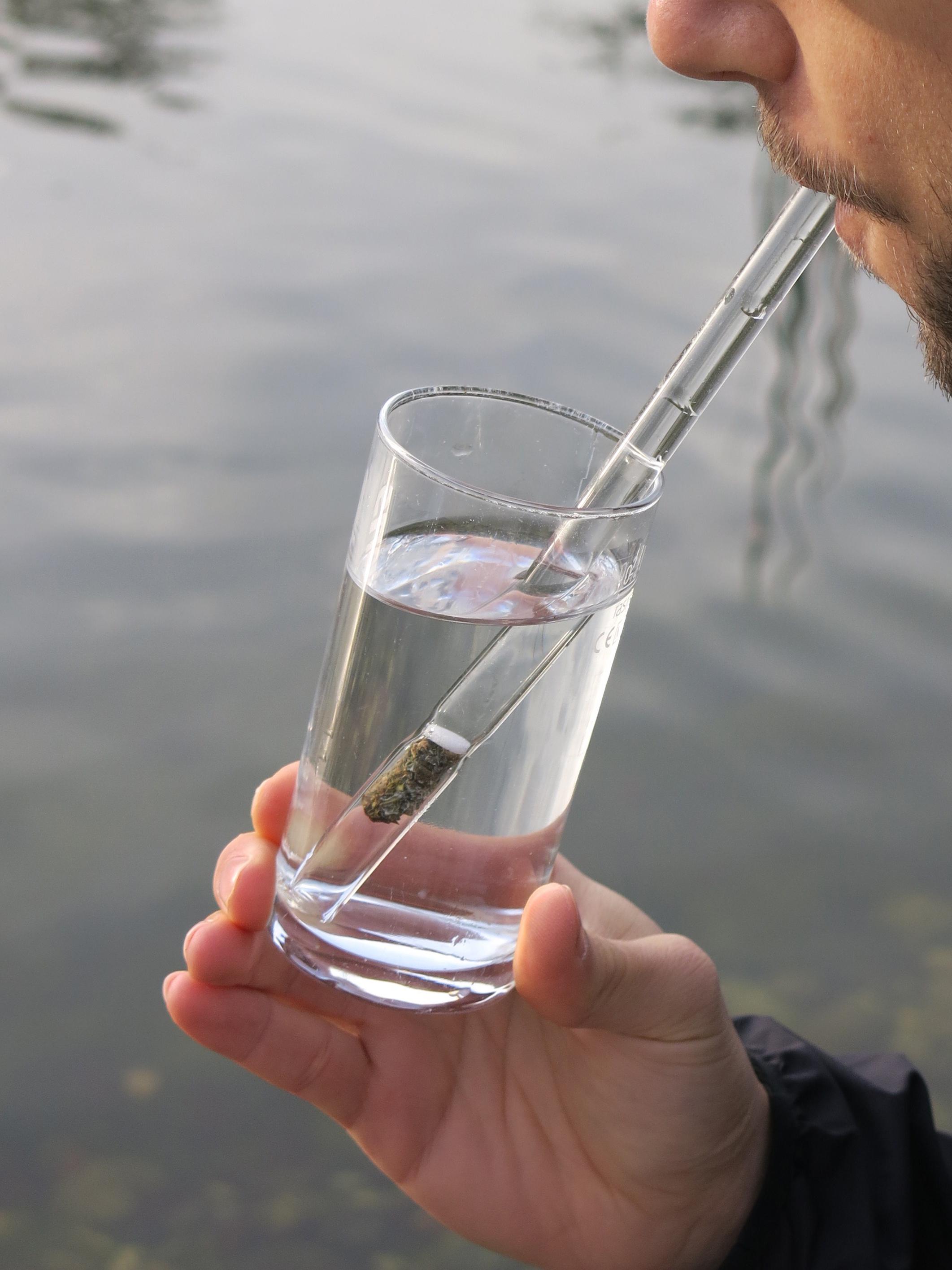
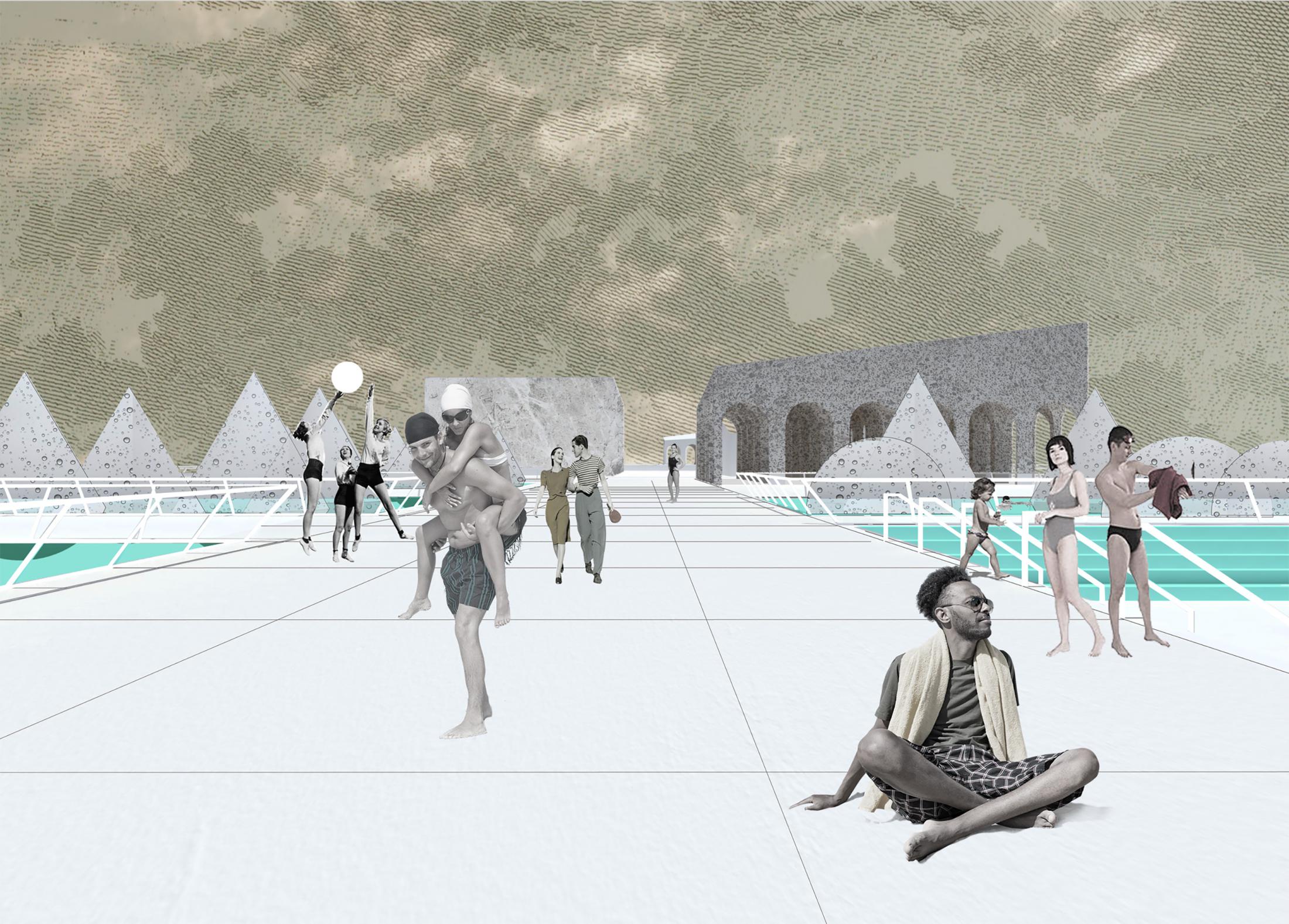
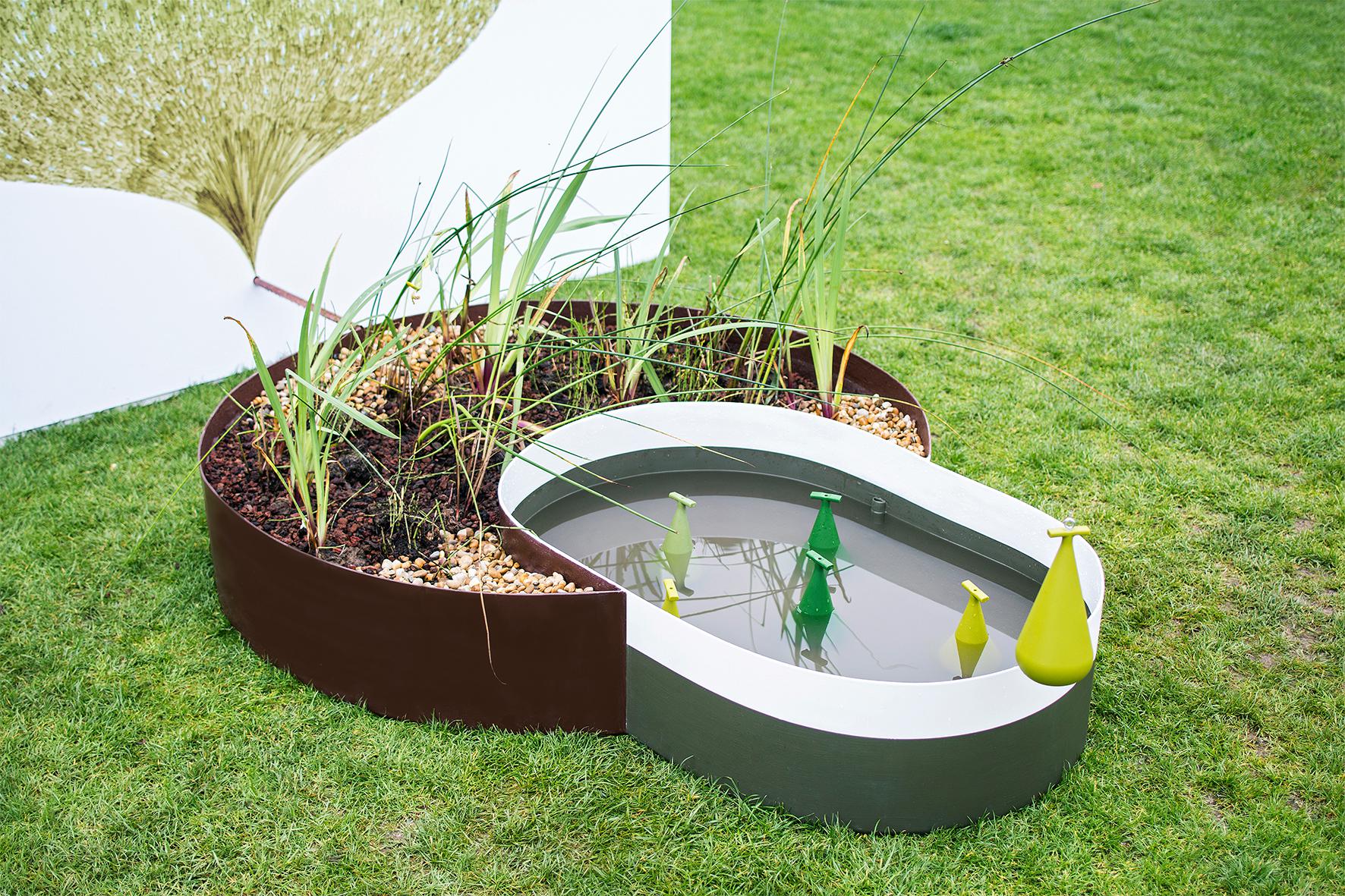
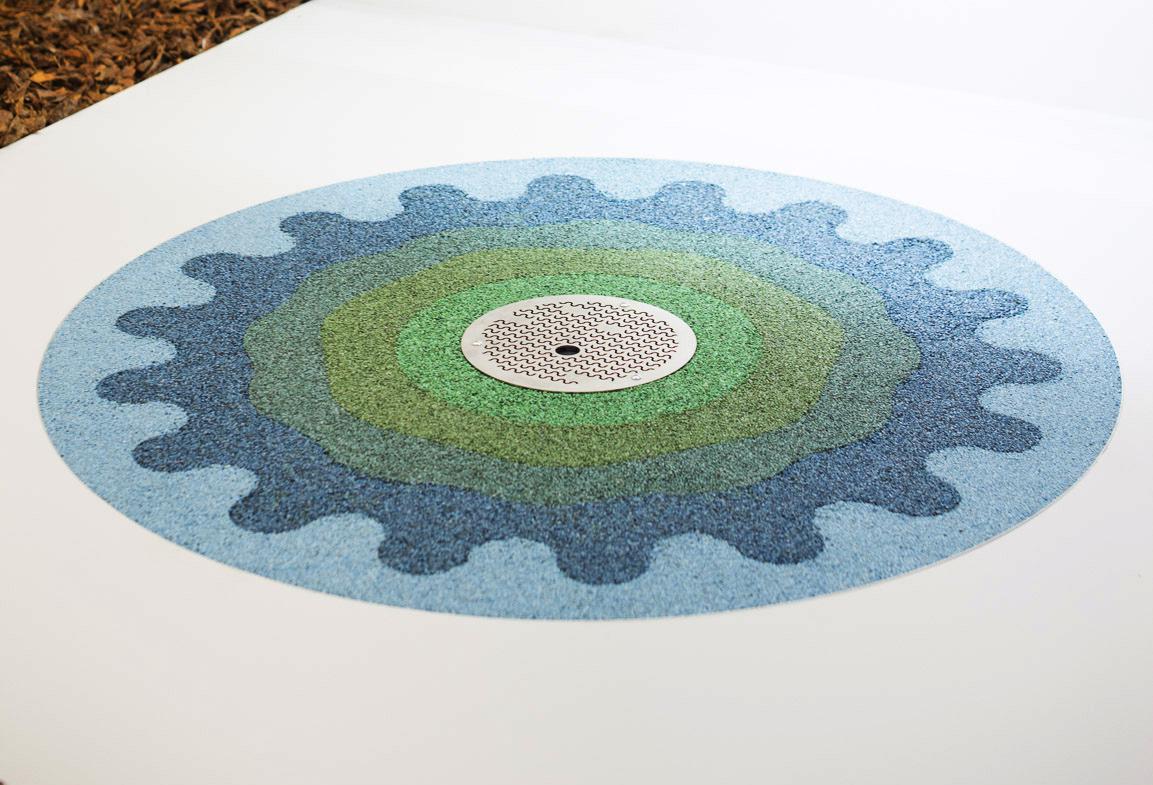
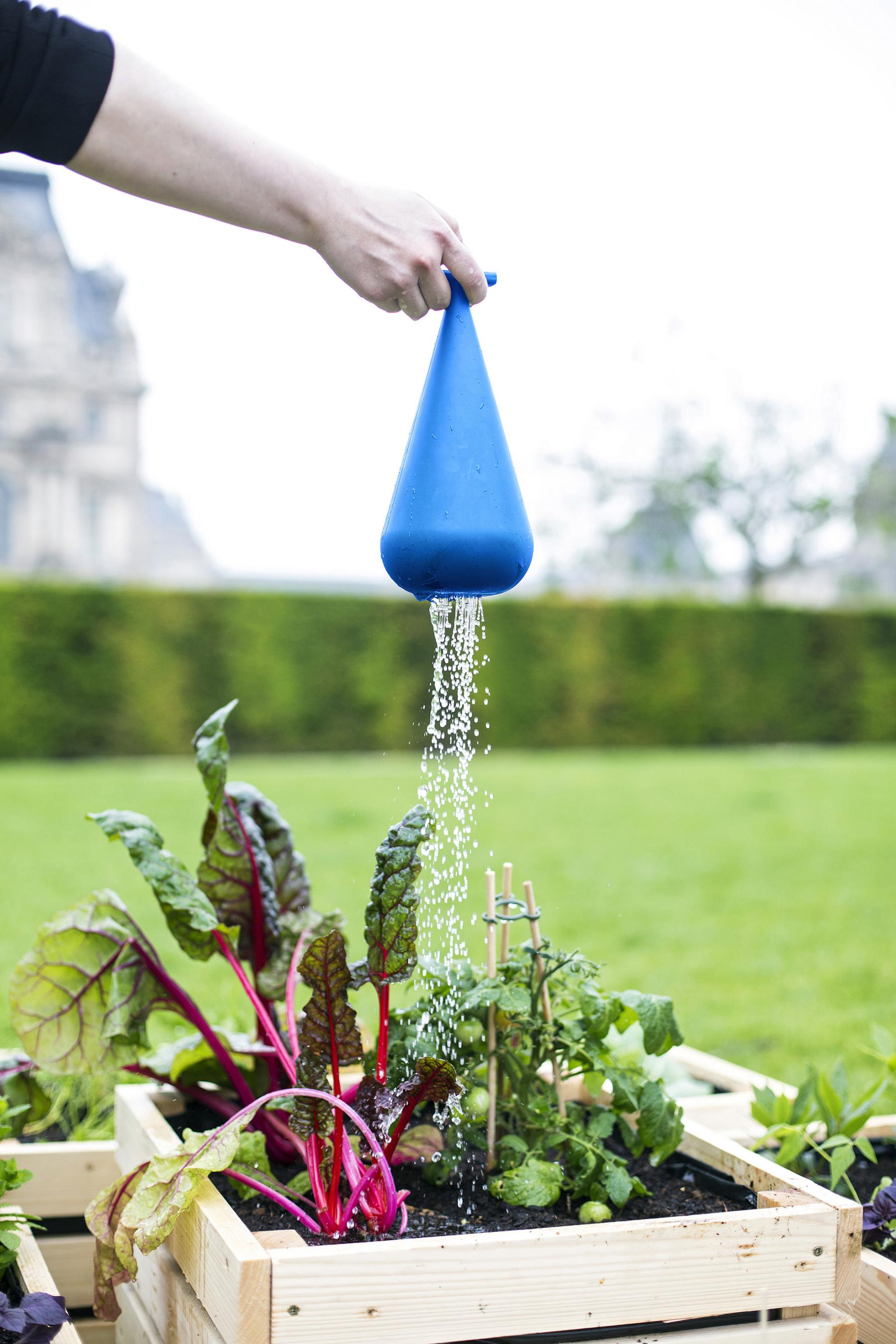
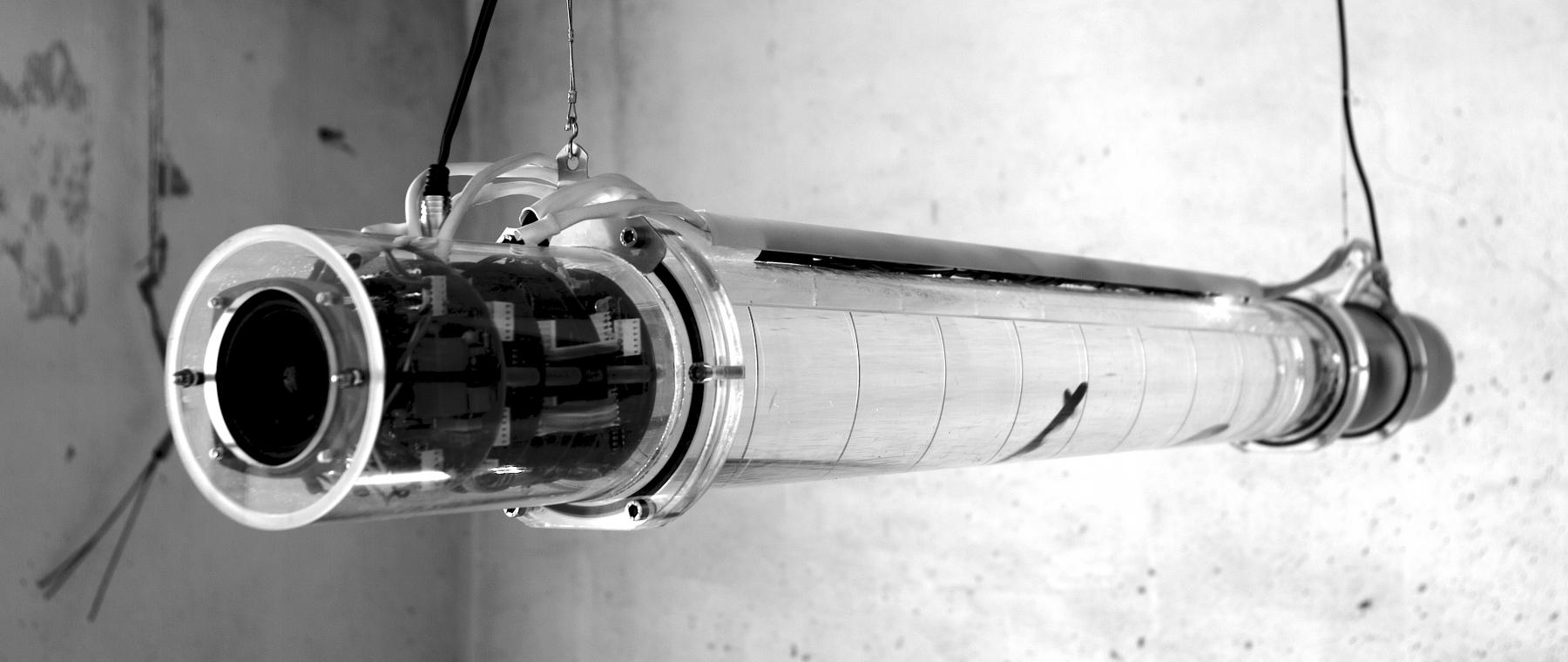
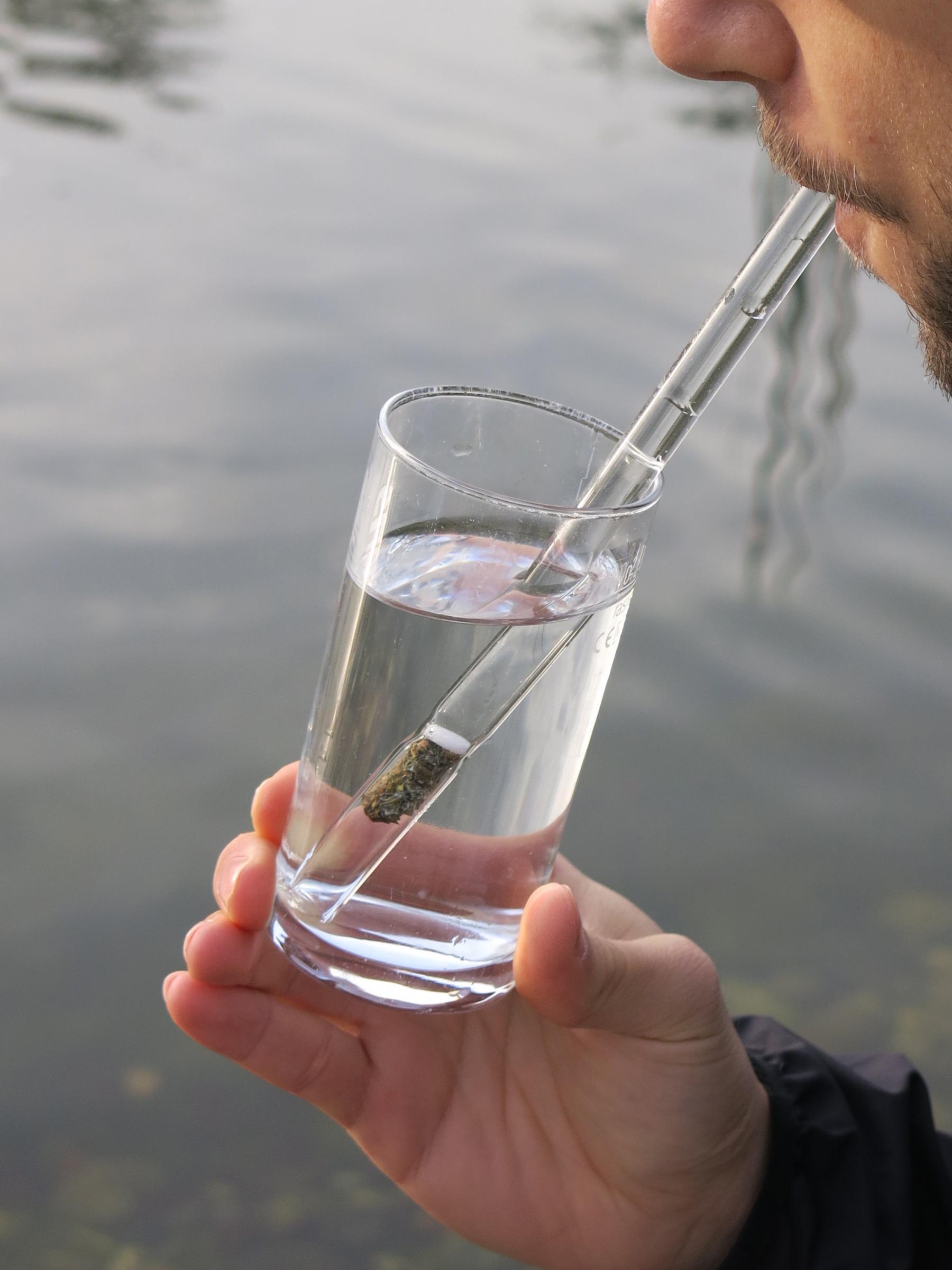
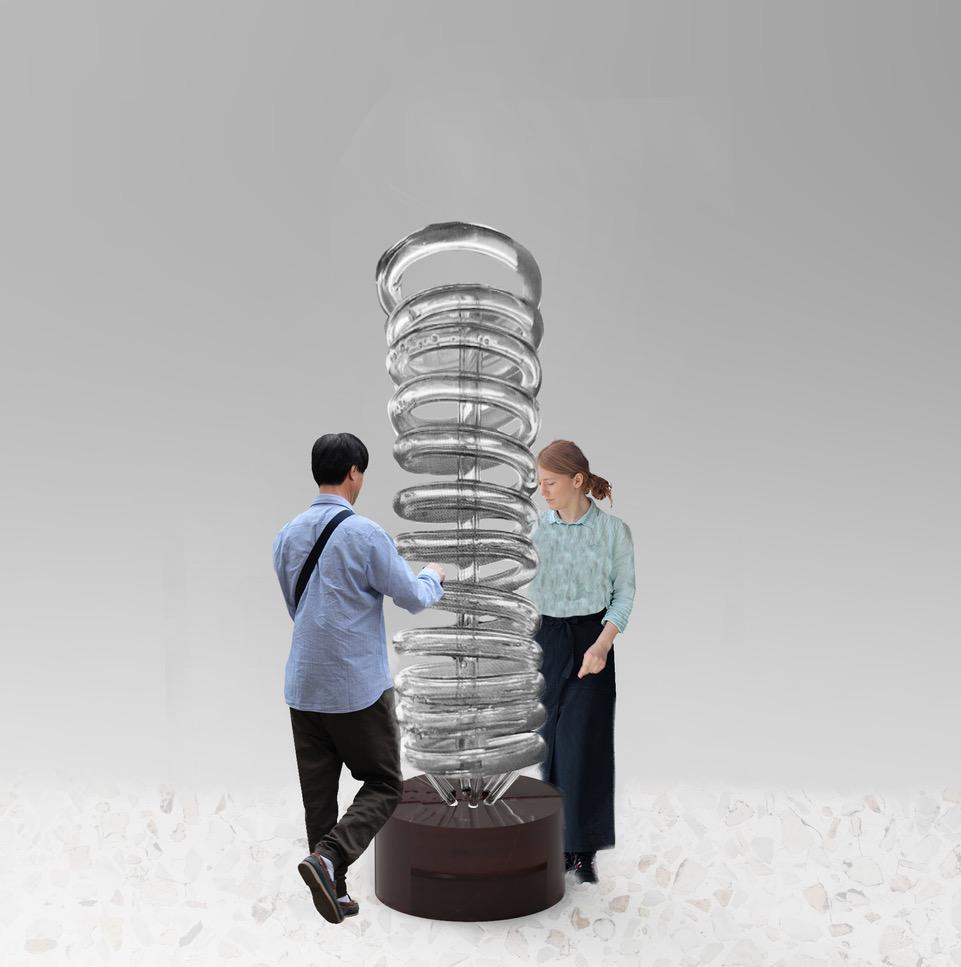
After the Drought explores how modest or ambitious design projects, as well as artistic, (bio)technological, or hybrid approaches, can contribute to research on water-related issues. The exhibition examines water from multiple perspectives, including scarcity, pollution, flooding, and desertification.