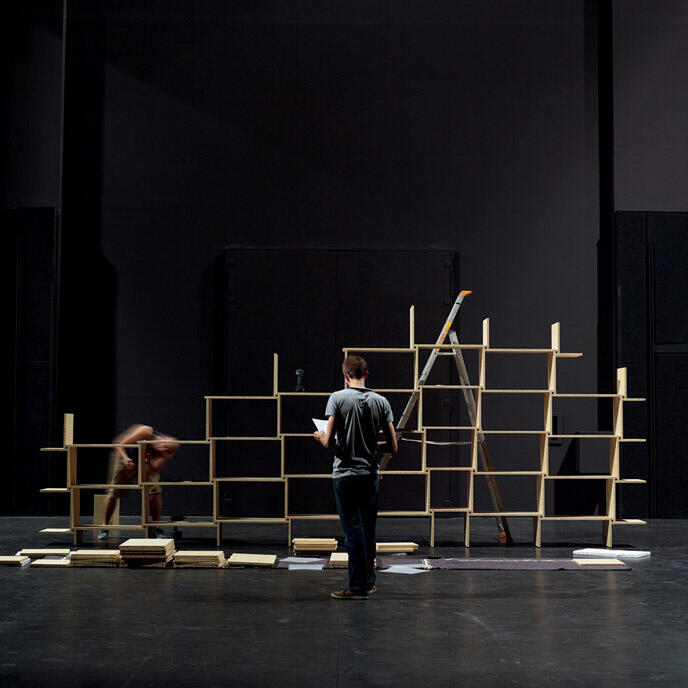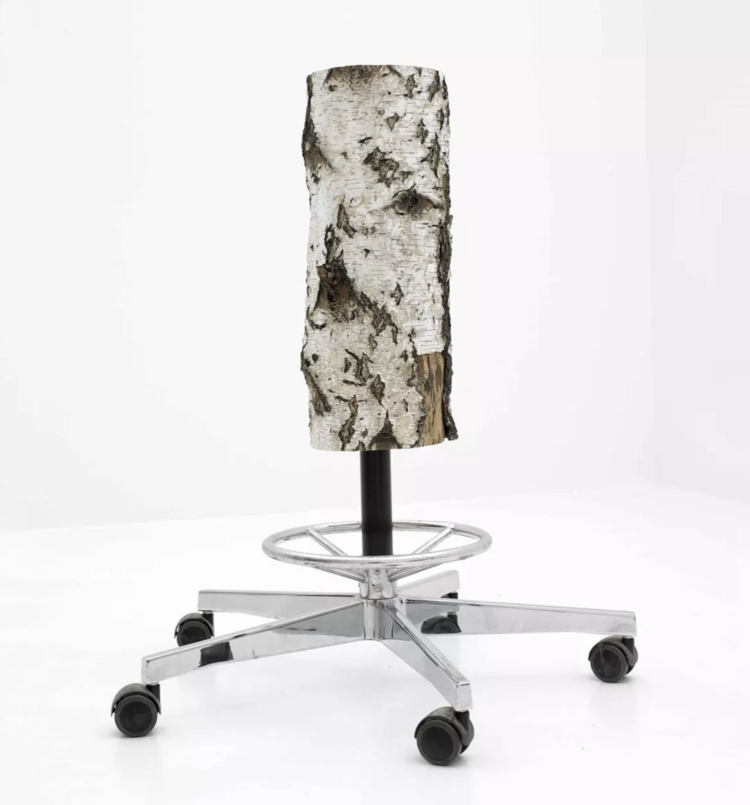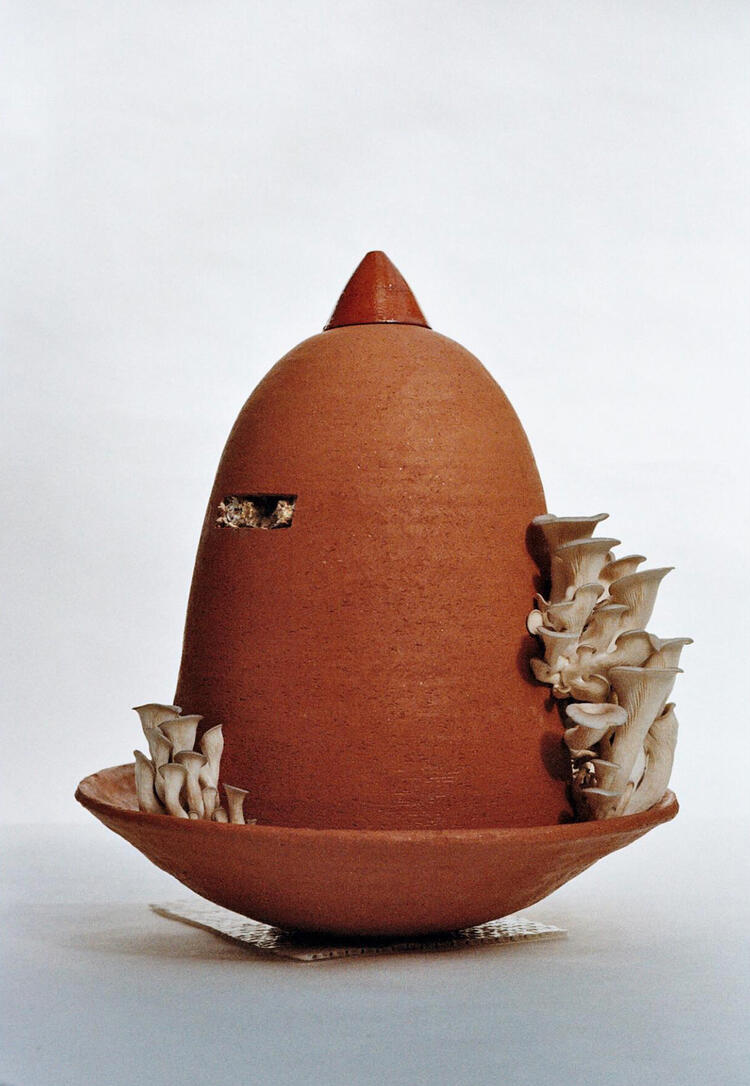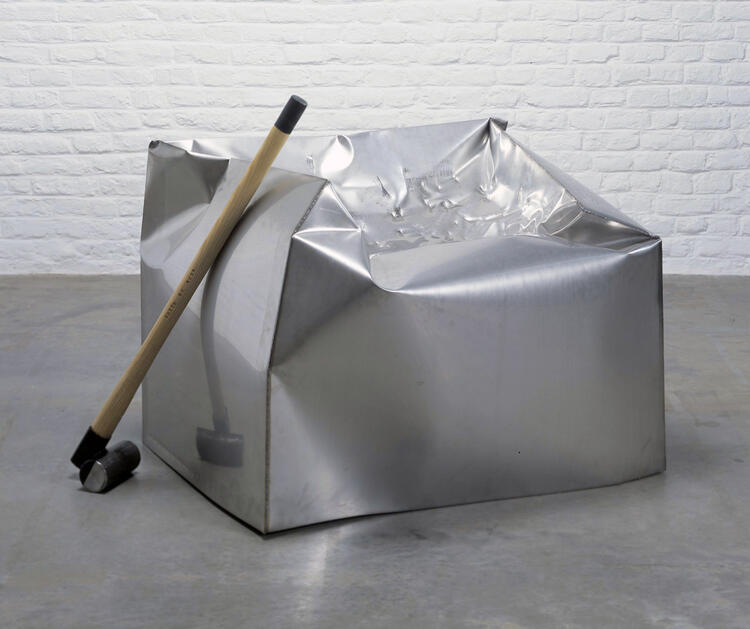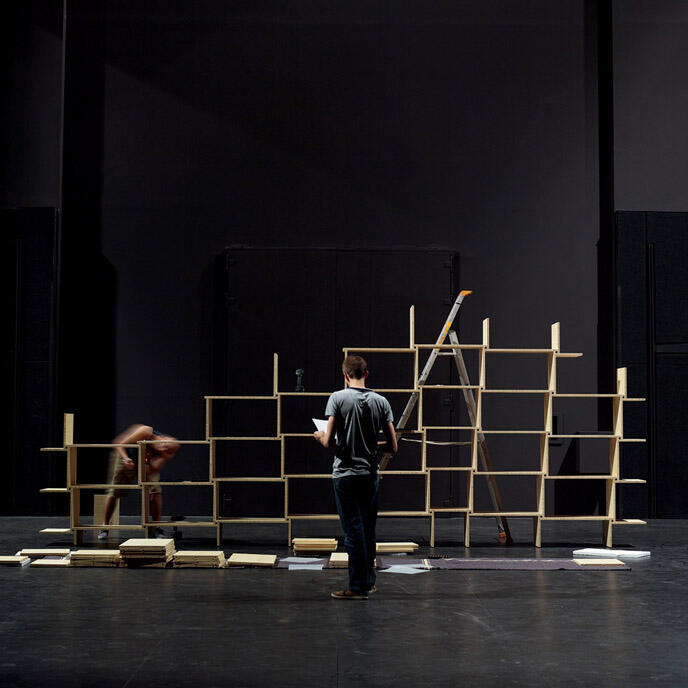
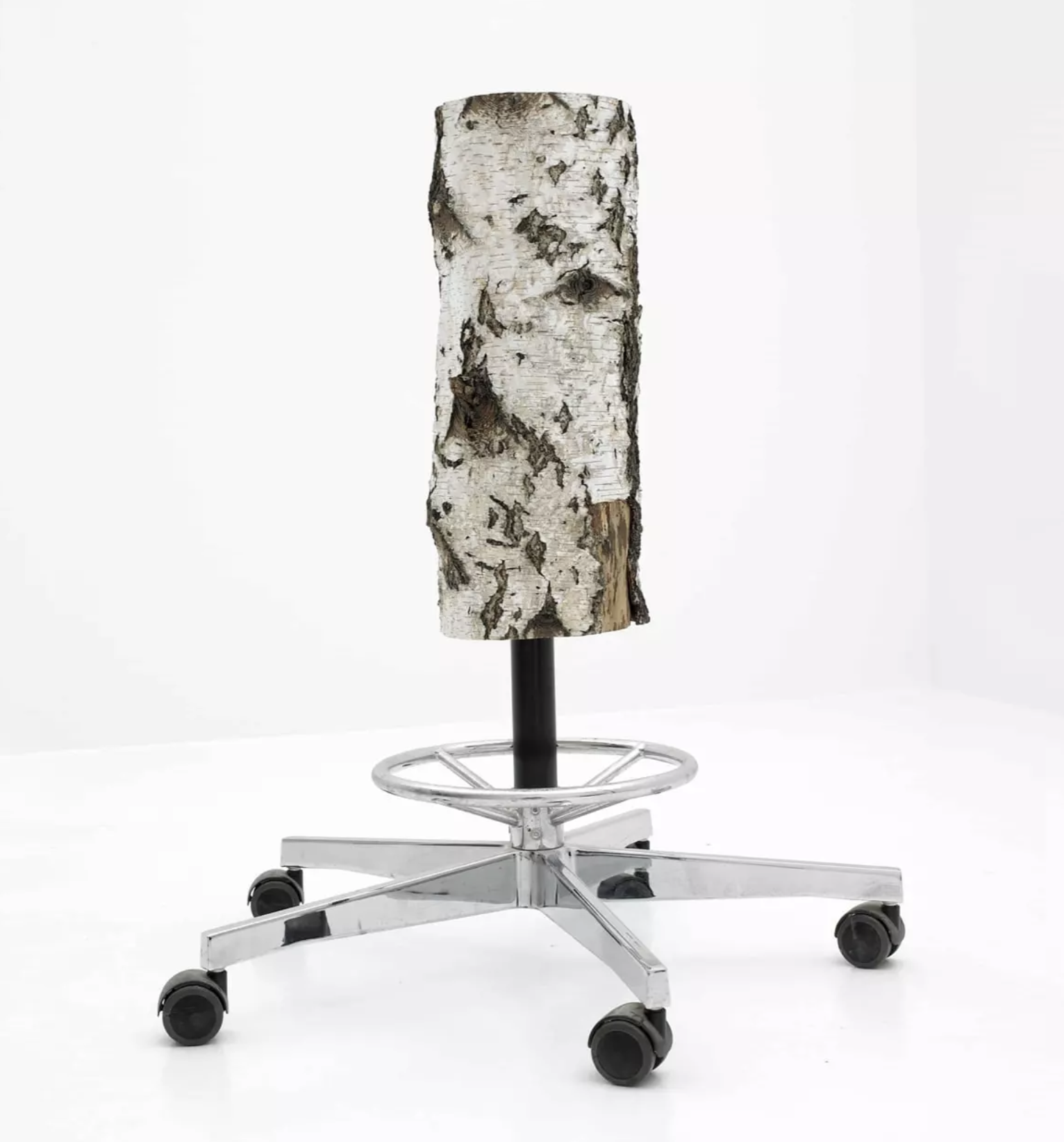
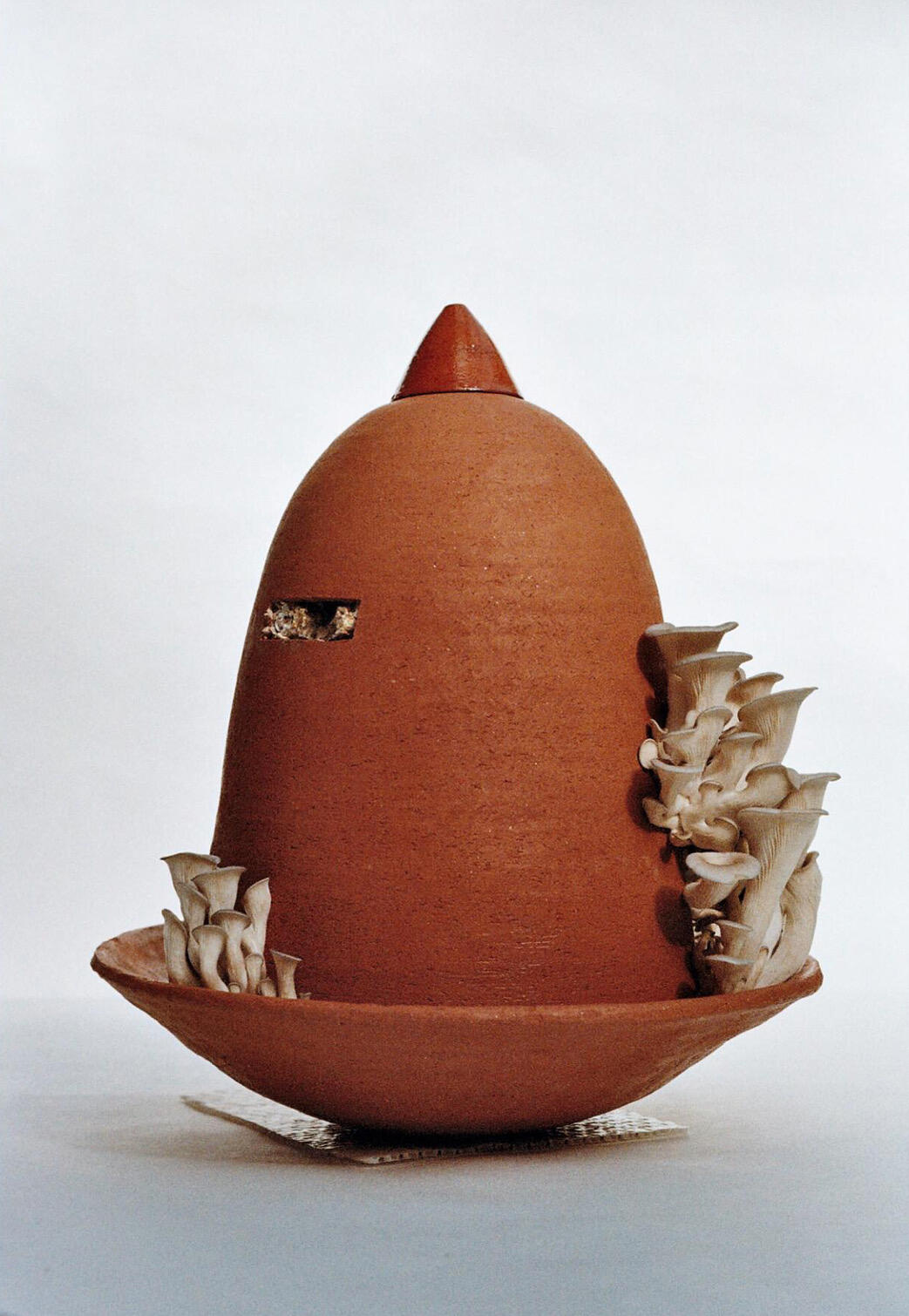
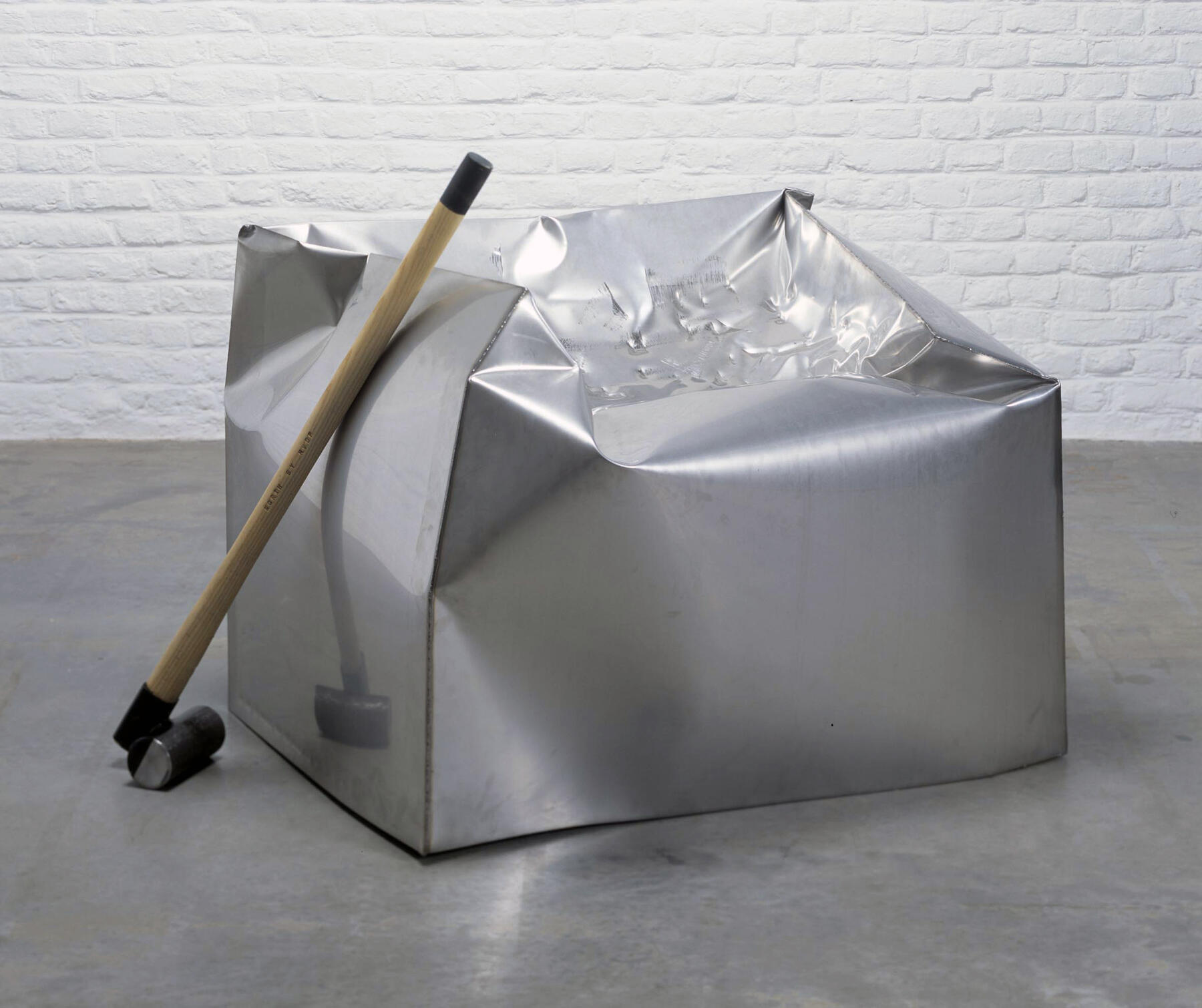
Initially produced by JAD – Jardin des métiers d’art et du design in Sèvres, the exhibition "Aléas, pratiques de l’adaptation" (Unforeseen Events, Practices of Adaptation) highlights creative and production processes that engage with the unexpected. Through their exploration of the theme and their curated selection, curators Baptiste Meyniel and Nicolas Verschaeve invite us to discover a range of active observations of the world and reveal designers' ability to continually adapt to the contexts in which they find themselves. While the notion of aléas implies uncertainties linked to chance, here it is understood as a set of parameters skillfully managed.
Caught in a web of aléas, the objects presented here emerge from a form of letting go, seemingly contradictory to the academic methods of design. It is a question of the creators' ability to deviate from established plans, to integrate a range of active forces into their work, to "work with" rather than impose dogmas.
Beyond the objects themselves, it is primarily attitudes that are revealed, almost a philosophy, conducive to engaging with a constantly transforming world.
During the exhibition, the Grand-Hornu will see piles of coal pass through its walls, a material-energy constituting one of the major flows during the period of activity in the Borinage mines. An invitation to wander, the scenography will reveal both the fields of force that shaped a collection of productions, objects, and artifacts, and the phenomena that these make visible. Of various kinds, these forces are among those that govern the laws of the cosmos, such as gravity, magnetic fields, and the sun's path; they are the intrinsic laws of materials and their properties; Availability refers to pre-existing elements available in the designers' environment, forcing them - in a world of finite resources - to work with what is already there.